

Essential Turbines uses cookies to operate this site and, with your consent, to analyze traffic and improve our content. Essential cookies are always on. You can accept all cookies, reject non-essential ones, or choose which to allow.
Blog
M250 and RR300 Engine Performance: More Than Just Horsepower
Why Real Performance is About the System Behind the Engine
Mar 04, 2026
For helicopter operators, engine performance is often associated with metrics like power output, temperature margins, and flight hours. These measurements are essential, but they only tell part of the story.
Real performance is also about knowing your engine will start when you need it, deliver consistent power throughout the mission, and not leave you grounded when lives depend on being airborne.
In the M250 and RR300 market, true engine performance is shaped long before the aircraft lifts off. Maintenance strategy, operational discipline, and the quality systems behind the organizations responsible for keeping engines in service all play critical roles.
At Essential Turbines, we approach engine support through the lens of PEQ: Power. Expertise. Quality.
Together, these principles define what operators should expect from a modern turbine MRO partner.
Power: Protecting Operational Readiness
Performance begins with the engine itself, but it extends to the reliability and predictability of the maintenance strategy behind it.
Operators rely on M250 and RR300 platforms across a wide range of missions—from training and charter operations to military applications, public safety, and utility work. In these environments, unplanned downtime can cost operators thousands per day in lost revenue, while also disrupting critical EMS missions, law enforcement operations, and scheduled utility work.
Proactive maintenance planning supports performance by improving visibility into upcoming lifecycle events and allowing operators to coordinate maintenance activities before operational disruption occurs.
When engines are properly restored during overhaul, operators notice the difference.
While the engine is restored to its certified specifications – what operators are experiencing is the difference between an engine operating at the end of its TBO cycle versus one with restored component tolerances, properly seated bearings, and optimized combustion efficiency.
One of the most consistent pieces of feedback Essential Turbines receives is how noticeably different engines perform after a quality overhaul. Pilots frequently report that their aircraft “feels more powerful” or “responds better” following engine restoration.
The measurable improvements include:
- Improved temperature margins: Better EGT margins provide more operational flexibility in hot-and-high conditions
- More responsive power delivery: Restored turbine and compressor efficiency translates to crisper throttle response
- Better fuel efficiency: Properly restored engines often show reduced specific fuel consumption
- Smoother operation: Balanced rotating assemblies and proper clearances reduce vibration
These improvements aren’t about adding power—they’re about restoring the engine to the performance level it was designed to deliver. Over the course of 1750-3,500 on Series II engines, and 2000-4000 on Series IV & RR300 engines, hours of operation, components gradually degrade in ways that reduce efficiency and power margins. A thorough overhaul reverses that degradation.
For operators, this restoration means regaining operational capabilities they may have gradually lost: the ability to operate at maximum gross weight on hot days, the margin to handle unexpected mission demands, and the confidence that the engine will deliver full rated power when needed most.
Example: An EMS operator running a fleet of five M250-powered helicopters can coordinate scheduled overhauls 9-12 months in advance, ensuring only one aircraft is down for maintenance at a time while maintaining full operational capability for critical response missions. This contrasts sharply with reactive maintenance, where multiple aircraft might require unexpected service simultaneously, severely limiting response capacity.
Rather than reacting to maintenance events, the goal is to maintain a predictable operating rhythm that keeps aircraft flying and operators focused on their mission.
Expertise: The Discipline Behind Every Overhaul
While power reflects the outcome, expertise reflects the process.
Engine overhaul and major repair require rigorous coordination between engineering, inspection, material management, and production planning. Each step must align with regulatory requirements and Rolls-Royce AMROC authorization standards.
Strong execution ensures that work is performed consistently, documented properly, and delivered according to the production plan. For operators, disciplined execution provides confidence that the engine leaving the shop meets the same standards every time. It also ensures transparency throughout the maintenance process, allowing operators to stay informed about scope, progress, and timing.
But expertise isn’t just about following procedures—it’s about the people performing the work.
Quality engine overhauls don’t happen by accident. They’re the result of skilled technicians, rigorous training, and a culture that prioritizes doing the job right over doing it fast. Period!
At Essential Turbines, technical expertise isn’t just a tagline—it’s a hiring requirement and an ongoing investment. The team includes technicians with decades of hands-on M250 and RR300 experience, many of whom have worked on these engine families for their entire careers. This depth of experience matters when troubleshooting complex issues, interpreting inspection findings, and making the judgment calls that separate adequate work from exceptional results.
Experience alone isn’t enough. The turbine MRO industry evolves constantly—new service bulletins, updated repair techniques, revised procedures, and emerging best practices require continuous learning. Essential Turbines maintains an active training program that ensures every technician stays current on:
- Rolls-Royce technical updates and service bulletins
- Advanced troubleshooting techniques
- Precision measurement and inspection methods
- Quality system compliance and documentation requirements
- Safety protocols and industry best practices
Culture is where experience and training come together. Essential has built a work environment where:
- Quality is never compromised for speed: Schedules matter, but not at the expense of doing the work correctly
- Asking questions is encouraged: When a technician encounters something unusual, the culture supports consultation rather than guessing
- Documentation is taken seriously: Every step is recorded properly because traceability and accountability matter
- Continuous improvement is expected: The team regularly reviews processes to identify opportunities for better results
This combination—experienced people, ongoing training, and a quality-first culture—is what transforms maintenance planning into reliable results. It’s what ensures that when an operator’s engine returns to service, it performs the way they expect and the way their mission demands.
Quality: The Foundation of Long-Term Reliability
Quality doesn’t happen at final inspection, it’s built into every stage of the maintenance process.
From incoming inspection and component traceability to testing and documentation, quality systems ensure that every engine meets the standards required for safe and reliable operation.
For organizations authorized to support M250 and RR300 platforms, maintaining these standards requires continuous training, disciplined processes, and strict adherence to regulatory and OEM requirements. As a Rolls-Royce AMROC (Authorized Maintenance Repair & Overhaul Center), Essential Turbines maintains the regulatory compliance, proper tooling, OEM-aligned processes, and parts traceability required for reliable engine performance.
Quality protects two things: the long-term reliability of the engine and the trust operators place in their maintenance partners.
Every engine that leaves an Essential Turbines facility carries the responsibility for the missions it will support—whether that’s transporting medical patients, responding to emergencies, conducting search and rescue operations, or supporting military operations. The team understands that their work directly impacts operational safety and mission success.
This sense of responsibility drives the quality culture. It’s why technicians take the time to do things right, why inspections are thorough rather than cursory, and why documentation is complete and accurate. Quality isn’t measured by how quickly an engine moves through the shop, it’s measured by how reliably it performs over the next 2,000-4,000 hours of operation, depending on the platform it performs on.
A Global Approach to Engine Support
Supporting operators around the world requires both technical expertise and geographic reach.
With facilities strategically positioned in Montreal (serving Eastern Canada and the Northeastern U.S.), Vancouver (serving Western Canada and the Pacific Northwest), Mesa (serving the Southwest U.S. and Mexico), and Malta (serving Europe, the Middle East, and Africa), Essential Turbines provides regional support with consistent AMROC-authorized quality standards across all locations.
This global footprint allows the company to coordinate maintenance activities across regions while maintaining the same rigorous processes at each facility. Whether your engine is serviced in Montreal, Vancouver, Mesa, or Malta, it receives the same attention from technicians who share the same training, follow the same quality systems, and uphold the same standards.
The result is predictability. Operators know what to expect regardless of which Essential Turbines facility services their engine, and they gain the flexibility to coordinate maintenance based on operational needs rather than geographic limitations.
Performance Is the Result of the System Behind the Engine
In the M250 and RR300 market, engine performance is not defined by a single number on a gauge.It is defined by the systems, processes, and people responsible for supporting the engine throughout its lifecycle.
When power, expertise, and quality work together, operators gain more than maintenance support. They gain predictability, reliability, and confidence in the aircraft they depend on. They gain the assurance that comes from knowing experienced professionals performed the work, that quality systems ensured nothing was overlooked, and that the engine returning to service will deliver the performance their mission demands.
That’s what true engine performance looks like—not just horsepower on a spec sheet, but the entire system of people, processes, and standards that keep engines running reliably, mission after mission.
Need to Discuss Your M250 or RR300 Maintenance Strategy?
Contact Essential Turbines to speak with our technical team about proactive maintenance planning and performance optimization.
Email: info@essentialturbines.com
Phone: +1-877-633-4458
Learn more: www.essentialturbines.com
By Val Medved, Director of Sales & Marketing at Essential Turbines
With over 25 years of experience in turbine MRO and M250/RR300 maintenance
Frequently Asked Questions About Engine Performance
A: Look for restoration of performance parameters, component tolerances, and test cell validation that confirms the engine operates within OEM specifications. A quality overhaul should result in measurably improved power margins and more responsive power delivery—many operators report their engines “feel more powerful” post-overhaul, reflecting the restoration of efficiency and performance that gradually degraded over the TBO cycle. Verify that your MRO provider is a Rolls-Royce AMROC with proper authorization, experienced technicians, comprehensive training programs, and proven quality systems.
A: Proactive planning allows operators to coordinate maintenance before operational disruption occurs, maintain predictable operating rhythms, and avoid the compressed timelines and limited options that come with reactive maintenance. Planning 9-12 months ahead provides time to secure shop capacity, source components, and minimize downtime costs.
A: An AMROC (Authorized Maintenance Repair & Overhaul Center) is a facility approved by Rolls-Royce to perform major engine repairs and overhauls. AMROC certification ensures regulatory compliance, proper tooling, OEM-aligned processes, and parts traceability required for reliable engine performance. Not all MRO facilities are authorized to work on M250 and RR300 engines.
A: Quality systems touch every stage of maintenance—from incoming inspection and component traceability to testing and documentation—ensuring engines meet the standards required for safe, reliable operation over their full lifecycle. Quality is not a final inspection; it’s a system integrated into every process step and maintained by trained technicians who understand the responsibility they carry.
A: Unplanned downtime can cost operators thousands per day in lost revenue, not including the disruption to mission-critical operations like EMS response, law enforcement, or utility work. For multi-aircraft fleets, simultaneous unplanned maintenance can severely limit operational capacity and force operators to decline missions during their busiest periods.
A: Over 2,000-3,500 hours of operation, engine components gradually wear—turbine blade tip clearances increase, seal leakage grows, combustion efficiency decreases, and bearing tolerances change. All of these factors reduce performance margins. A proper overhaul restores components to OEM specifications, re-establishes proper clearances, and optimizes combustion efficiency. The result is an engine that operates at the performance level it was designed to deliver, which operators often describe as feeling “more powerful” compared to the degraded state at TBO.
Additional Resources
More Essential Turbines News
-
PRESS RELEASE
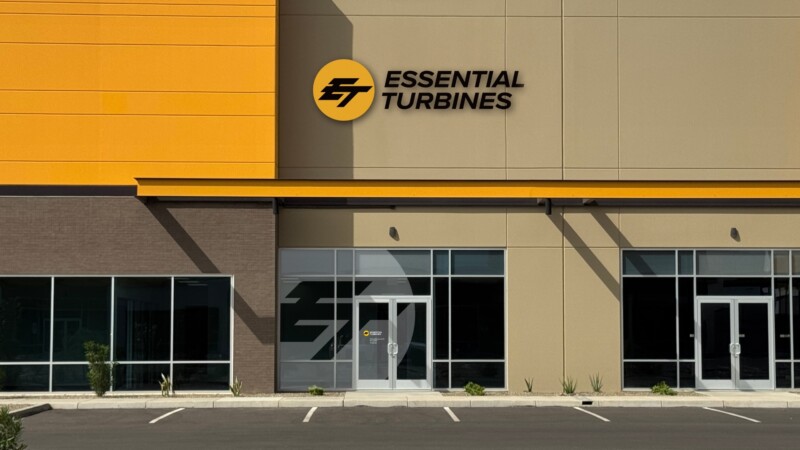
Essential Turbines Opens Expanded Arizona Facility, Tripling Capacity for Rolls-Royce Engine MRO
Mar 11, 2026
ATLANTA, GA, (March 10, 2026) – Essential Turbines (ETI), a Rolls-Royce Authorized Maintenance Repair & Overhaul Center (AMROC), today announced the opening of its new Mesa, Arizona facility—a purpose-built MRO location that triples the company’s U.S. capacity for M250 and RR300 turboshaft engines. The modern facility replaces ETI’s temporary Phoenix-area location and provides dedicated infrastructure […]
-
In the News
Focused on Evolution Not Reinvention — Vertical Magazine
Mar 04, 2026
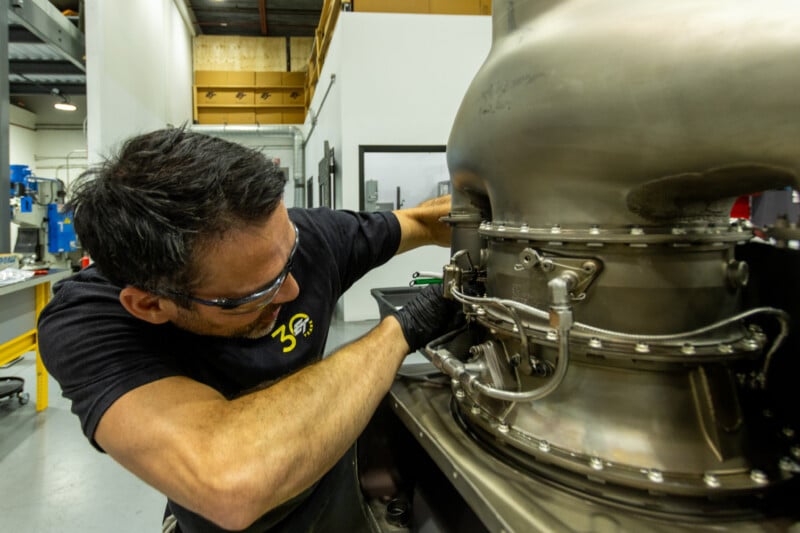
Essential Turbines is featured in Vertical Magazine, covering its longtime expertise in the helicopter engine market.
-
Blog
The Hidden Cost of Waiting Until You’re Grounded
Mar 02, 2026
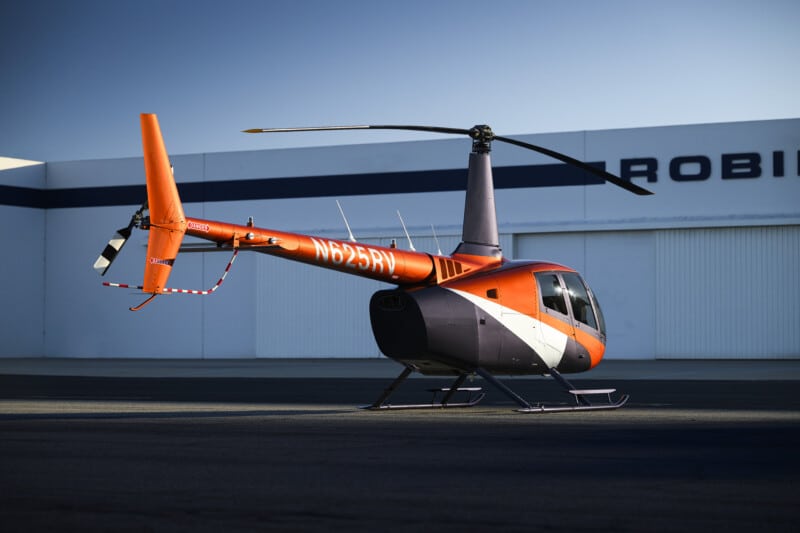
In turbine operations, the most expensive maintenance decision is rarely the overhaul itself. It's the delay.

Want Essential TurbineS Updates?
Get technical articles, news, and announcements delivered directly to your inbox.