

Essential Turbines uses cookies to operate this site and, with your consent, to analyze traffic and improve our content. Essential cookies are always on. You can accept all cookies, reject non-essential ones, or choose which to allow.
Blog
RR300 and M250 Fuel Control Unit Overhaul: What Operators Should Know
Nov 20, 2026
On a Rolls-Royce M250 or RR300, the fuel control unit (FCU), power turbine governor (PTG), fuel pump and fuel nozzles are small next to the engine they serve, but any one of them can keep an aircraft on the ground. When one comes off for overhaul, most operators want to know two things: how fast it comes back, and whether they can trust what comes back.
Essential Turbines’ fuel accessory shop in Malta has been answering those questions since the mid-1990s. It handles fuel accessory repair and overhaul for the M250 range and for RR300 fuel control units and power turbine governors, and this year it brought RR300 FCU overhaul in-house.
Which M250 and RR300 fuel accessories does the shop overhaul?
- Most gas producer fuel control units (FCUs) for the M250 and RR300
- M250 and RR300 power turbine governors (PTGs)
- Select M250 fuel pumps
- M250 fuel nozzles
What happens during an FCU or governor overhaul?
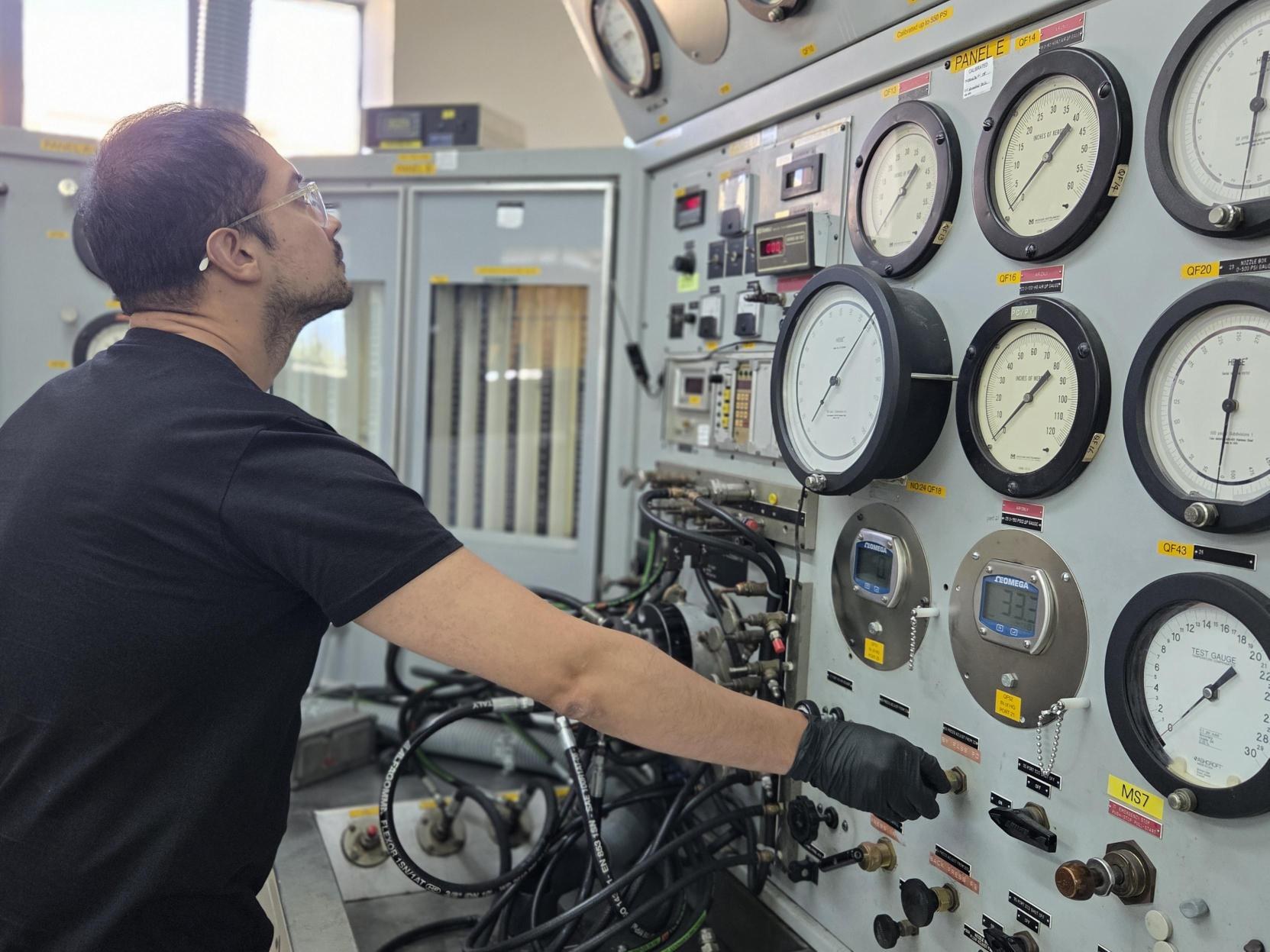
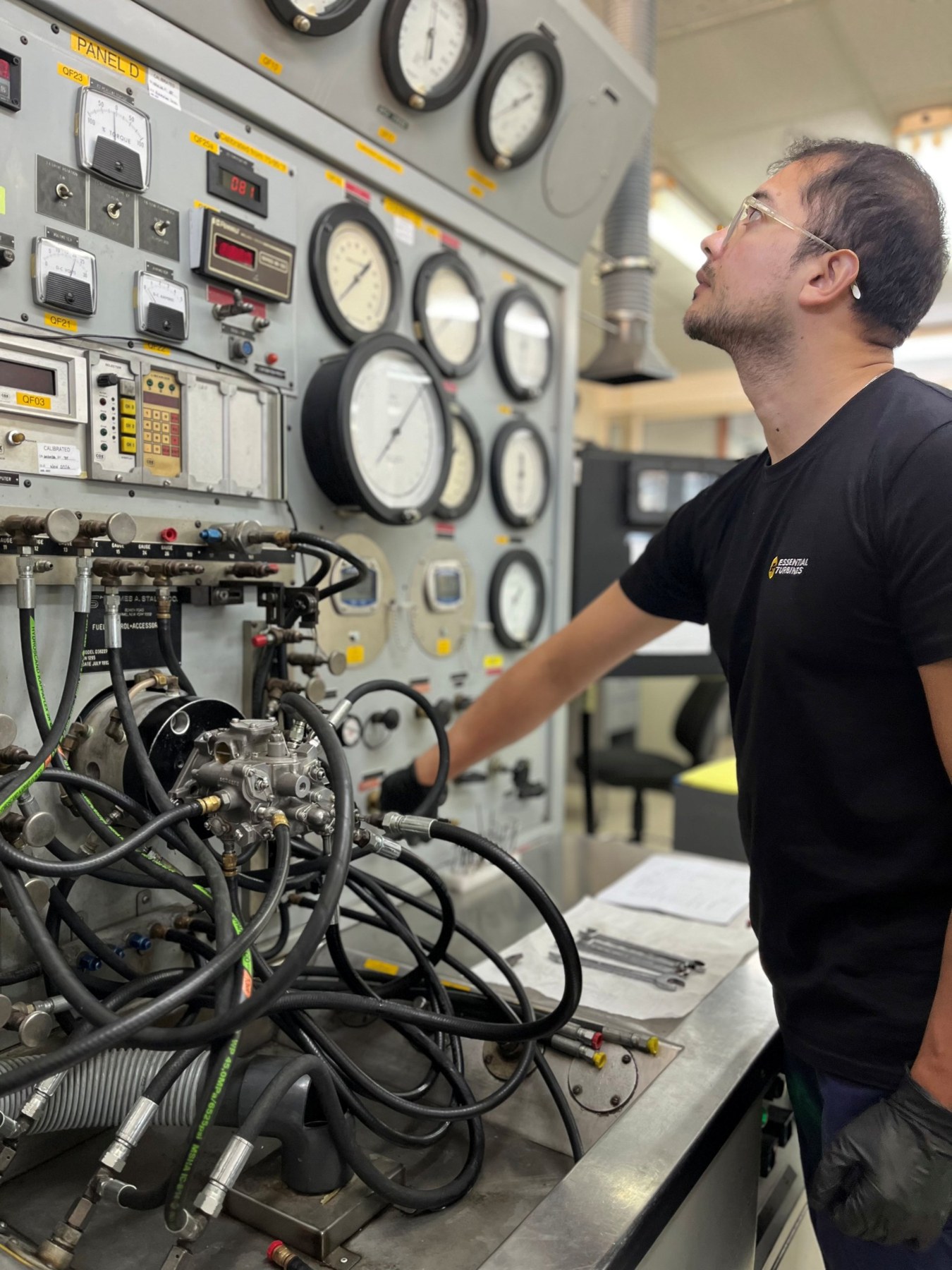
Every unit starts with a receiving inspection and a technical review of its modification standard and the service bulletins that apply. It is then stripped, cleaned and inspected, and you get a technical estimate before any parts are ordered. Once you approve it, the unit is rebuilt, tested to the manufacturer’s specifications on a dedicated, OEM-correlated accessory test rig, and lockwired for shipment. The testing standard is the same at any authorized shop. What differs is the attention a unit gets along the way. In Malta, accessories go through a dedicated shop and team, and every repair the OEM allows is done in-house rather than sent out.
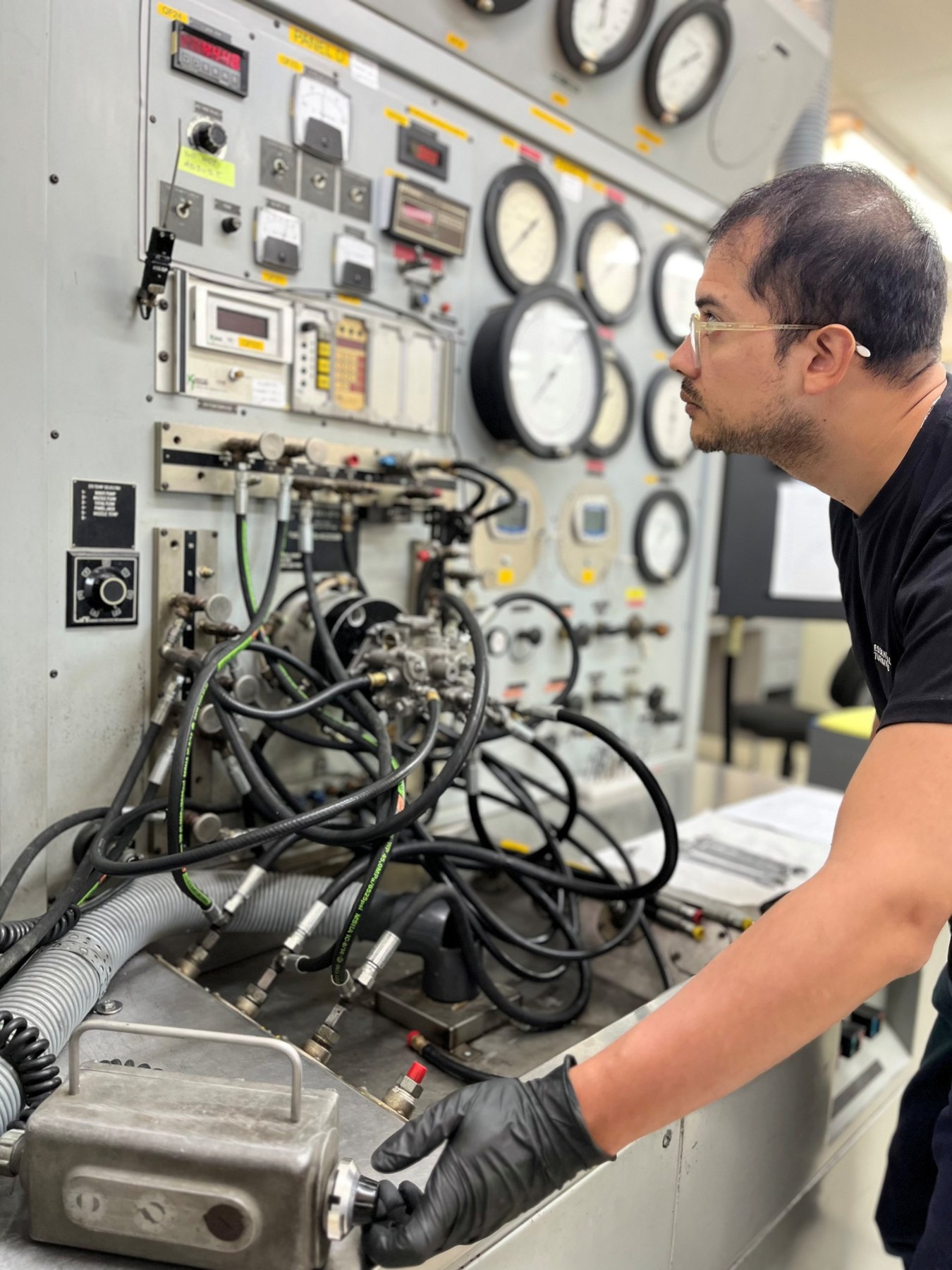
Can you test a fuel control without overhauling it?
Yes. The shop also bench tests units on their own. Operators use this for an as-received check before buying or selling a unit, or to rule an accessory in or out while troubleshooting an engine symptom such as N1 or N2 fluctuation, fuel delivery problems or high turbine outlet temperature (TOT).
What can an FCU teardown tell you about your fuel system?
Fuel accessories work as a chain. Fuel moves from the aircraft’s boost pump to the engine fuel pump, through the FCU and out through the fuel nozzle. When the shop finds debris inside a unit, it often started somewhere upstream.
When that happens, the team flags it to the operator with a recommendation to check the rest of the fuel system. Dealing with contamination once is a lot easier than finding it again after the next unit comes off. The same goes for corrosion: on units from operators who fly constantly over water, the shop has in some cases found salt contamination inside fuel controls and flagged it so the operator could adjust their engine rinse routine and preservation schedule.
Should you repair or replace a fuel control unit?
Parts pricing for fuel accessories has climbed sharply across the industry. In some cases, losing a major internal component can make a replacement unit the more practical choice. That makes a proper evaluation before you commit more important than ever, and our team will tell you plainly whether a repair makes sense for your unit.
RR300 fuel control unit overhaul, now in-house in Malta
Until earlier this year, RR300 FCUs coming through Malta still had to go to an outside shop, which left operators waiting on someone else’s schedule. The Malta team put the training and approvals in place to bring that work in-house, and RR300 FCUs now run through the same shop and the same team as M250 accessories and RR300 power turbine governors. For RR300 operators in Europe, the UK and beyond, including Robinson R66 operators, that is one less handoff.
Why send fuel accessories to Malta?
Malta has worked on M250 engines since 1979, and many of its people have been there for decades. For operators across the Mediterranean, North Africa and the Middle East, it is a short shipment away. And because Malta is part of Essential Turbines, accessory work there is backed by the engine expertise across our facilities in Canada and the US.
Send a unit or ask a question
To arrange an evaluation or check capability for a specific part number, contact our team through our contact page. Units can be shipped to any Essential Turbines location, and we’ll route them to Malta.
More Essential Turbines News
-
PRESS RELEASE
Essential Turbines Opens Expanded Arizona Facility, Tripling Capacity for Rolls-Royce Engine MRO
Mar 11, 2026
ATLANTA, GA, (March 10, 2026) – Essential Turbines (ETI), a Rolls-Royce Authorized Maintenance Repair & Overhaul Center (AMROC), today announced the opening of its new Mesa, Arizona facility—a purpose-built MRO location that triples the company’s U.S. capacity for M250 and RR300 turboshaft engines. The modern facility replaces ETI’s temporary Phoenix-area location and provides dedicated infrastructure […]
-

Blog
M250 and RR300 Engine Performance: More Than Just Horsepower
Mar 04, 2026
For helicopter operators, engine performance is often associated with metrics like power output, temperature margins, and flight hours. These measurements are essential, but they only tell part of the story.
-
In the News
Focused on Evolution Not Reinvention — Vertical Magazine
Mar 04, 2026
Essential Turbines is featured in Vertical Magazine, covering its longtime expertise in the helicopter engine market.

Want Essential TurbineS Updates?
Get technical articles, news, and announcements delivered directly to your inbox.